
Food
How to Order Coffee in Italy: A Beginner's Guide to Bars, Prices, and Etiquette
October 12, 2026
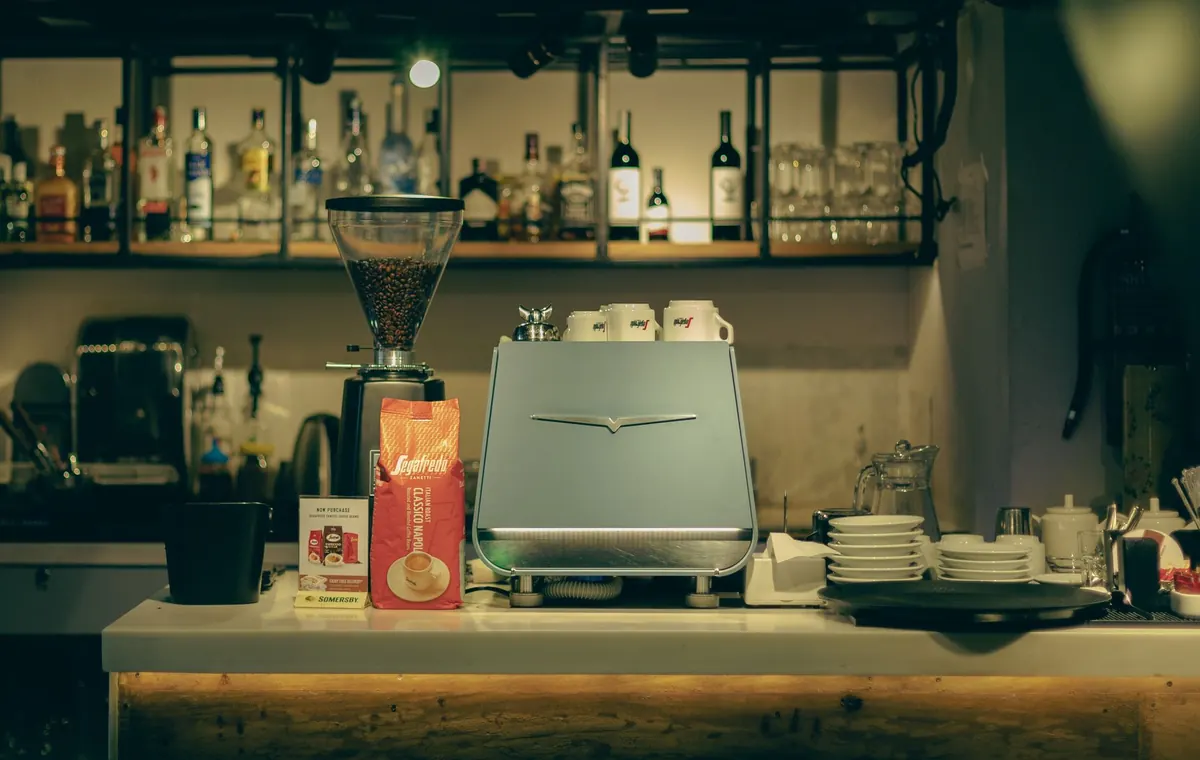
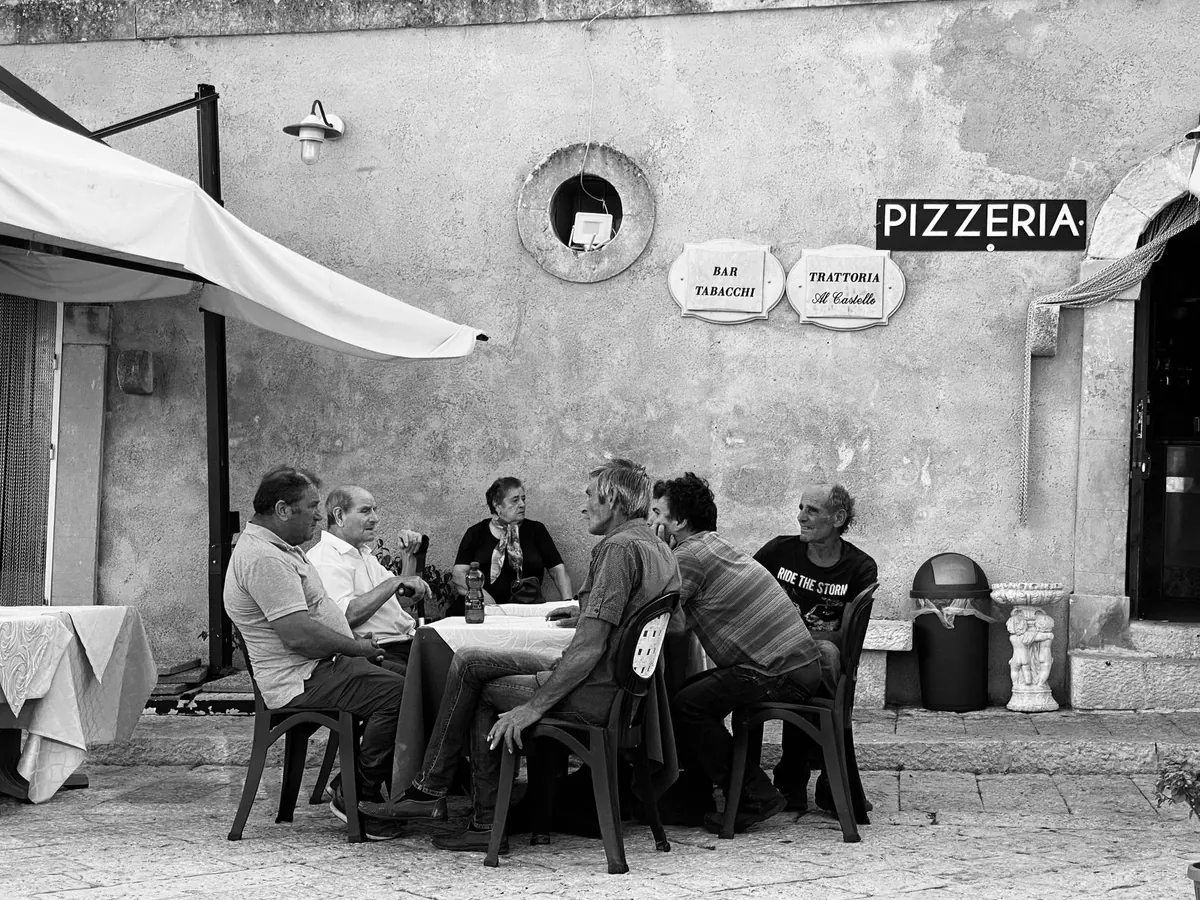
It happens on almost everyone's first morning in Rome or Bologna. You step into a small bar, the air smells of toasted sugar, three people are talking at once behind a gleaming machine, and a man with a cloth over his shoulder says something you don't quite catch. You ask for a coffee and receive something the size of a thimble. Nothing has gone wrong. That is the coffee. Ordering it in Italy is a short, well-rehearsed ritual, and once you know the moves it stops feeling like a test and becomes the best two minutes of your day.
What You Get When You Ask for "Un Caffè"
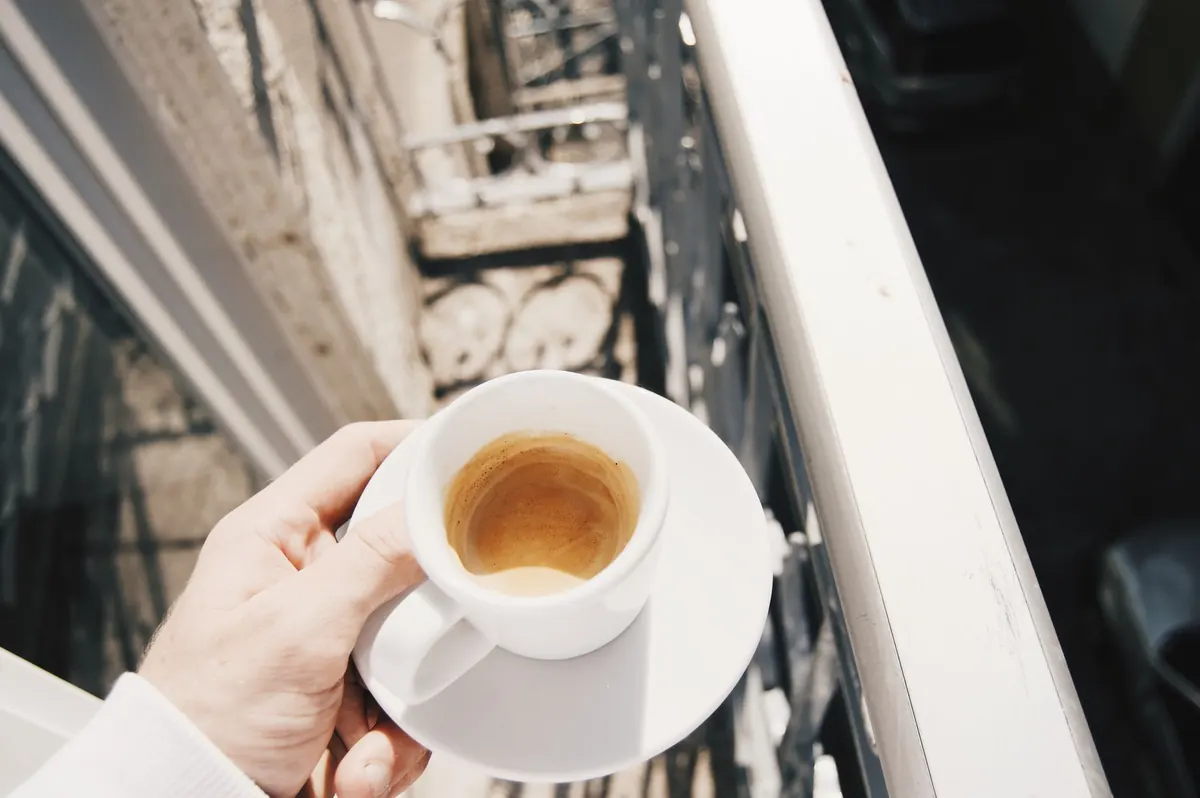
In Italy, un caffè means an espresso: a small, dark, intensely aromatic shot pulled into a warmed cup and finished with a hazelnut-coloured crema. It arrives on a saucer with a tiny spoon, occasionally with a small glass of water, and it is meant to be drunk in two or three sips while standing at the counter. Nobody adds anything. No syrup, no whipped cream, no extra shot unless you specifically order one.
The size surprises first-timers, and then the flavour explains it. If you want something longer and milder, ask for a caffè americano. If you want real filter coffee, look for a specialty café — they exist in most Italian cities now, and they will happily make you a flat white, though you will pay more and wait longer for it.
How the Bar Works: Cashier, Counter, and the Receipt
An Italian bar is not a pub. It is the café at the centre of daily life: pastries and coffee from early morning, panini and a glass of wine at lunch, spritz and snacks in the evening. Most are small, with a counter, a machine, and a few tables. The rhythm is quick and the system is simple once you've seen it done.
- Find the price list. Bars are required to display one, usually near the door or above the counter. Check whether the counter and table prices differ — they often do.
- Work out the payment order. In many city bars you pay at the cassa first, then hand the receipt to the barista. In smaller towns and quieter bars you order first and pay at the end. If you can't tell, ask: "Si paga prima o dopo?"
- Order clearly. At the counter, eye contact and a simple "Un caffè, per favore" is enough. Add buongiorno when you walk in; it's expected and it changes the temperature of the exchange.
- Keep your scontrino. Some baristas want the receipt before they start; others wave it away. Hold on to it until you leave.
- Drink, then move aside. The counter is for drinking, not lingering. Step away once you've finished so the next person can order.
Standing or Sitting: The Price of a Chair
Drinking al banco — standing at the counter — is the default and the cheapest option. Sitting down at a table, al tavolo, usually costs more, sometimes twice as much, and in historic squares or on a famous waterfront it can cost several times the counter price. That difference is not a scam; it's table service, rent, and the view, and it is normally printed on the price list.
So decide what you're buying. A quick shot before the train: stand. A slow morning with a newspaper and a pastry: sit, and accept the surcharge. Some bars add a servizio charge at the table, and many add coperto at meals, though rarely for a coffee alone. If you're unsure, ask before you sit down rather than after.
The Orders Worth Knowing
You do not need a long vocabulary. A handful of terms will cover nearly every situation you'll meet.
The espresso family
- Caffè — a standard espresso. Say caffè normale if you want to be explicit.
- Ristretto — shorter, less water, more concentrated.
- Lungo — longer, with more water pushed through.
- Macchiato — espresso "stained" with a small dash of hot milk.
- Corretto — spiked with a drop of grappa or sambuca. A cold-morning drink, not a breakfast habit.
- Decaffeinato — decaf. Shortened to decaffeinato or simply deca.
When you want milk
- Cappuccino — espresso with steamed milk and foam, usually in a small ceramic cup.
- Caffellatte — much more milk than coffee, often served in a glass or a big cup.
- Latte macchiato — tall glass of hot milk with espresso poured in. Not the same as a cappuccino.
- Marocchino — espresso with cocoa and milk foam, a northern speciality.
Ask for latte on its own and you will get a glass of milk, which is a useful thing to know before you try it.
Cold coffee and useful extras
In summer, order a caffè shakerato — espresso shaken with ice and sugar until it's frothy and cold — or a caffè freddo, a sweetened cold coffee served over ice. Caffè con ghiaccio gets you a hot espresso with a glass of ice on the side. Want it in a glass rather than a cup? Al vetro. A little more coffee in a bigger cup? In tazza grande.
Timing, Milk, and the Small Rules
The famous rule about cappuccino is really a habit, not a law. Italians tend to drink milk-heavy coffee in the morning, with a cornetto, and switch to espresso after meals. Order a cappuccino after dinner and nobody will refuse you; you'll simply be marked, gently, as a visitor. If you want to blend in, drink your milk coffee before eleven and your espresso after lunch.
Tipping is not expected. Rounding up or leaving a coin is a kind gesture, not an obligation. Coffee is also a social ritual: people meet for un caffè the way others meet for a walk, and the whole encounter may last four minutes. In Naples you may come across the caffè sospeso, a coffee paid for in advance by one customer and left for a stranger who can't afford one — a small, quietly generous tradition worth knowing about.
What You'll Pay
At the counter, an espresso in most Italian cities sits somewhere around one euro to one euro fifty, with Milan and the biggest tourist centres at the higher end and smaller towns at the lower end. Cappuccini, decaf, corretto, and soy or other milk alternatives usually add a little. Sitting down at a table pushes the price up, and a coffee on a famous square can cost several times what the same cup costs at a counter two streets away.
Cards are widely accepted, though some small bars prefer cash for a one-euro coffee, so keep a few coins. Prices are displayed by law; if you can't find the list, ask before ordering. That single question prevents most of the unpleasant surprises travellers bring home from Italy.
Your First Morning, Step by Step
Walk in, say buongiorno, and glance at the price list. Find the cashier and pay, or ask whether you should pay first. Order un caffè and a cornetto — vuoto if you want it plain, alla crema if you want the sweet custard filling. Drink standing at the counter, in two sips, while the room hums around you. Leave the receipt on the counter if there's a tray, say grazie, arrivederci, and walk out into the morning. Do that three days running and the barista will remember your order, which is the whole point of an Italian bar.
Photo: Bijay Chaurasia / Pexels
Related posts
More stories you’ll love reading