
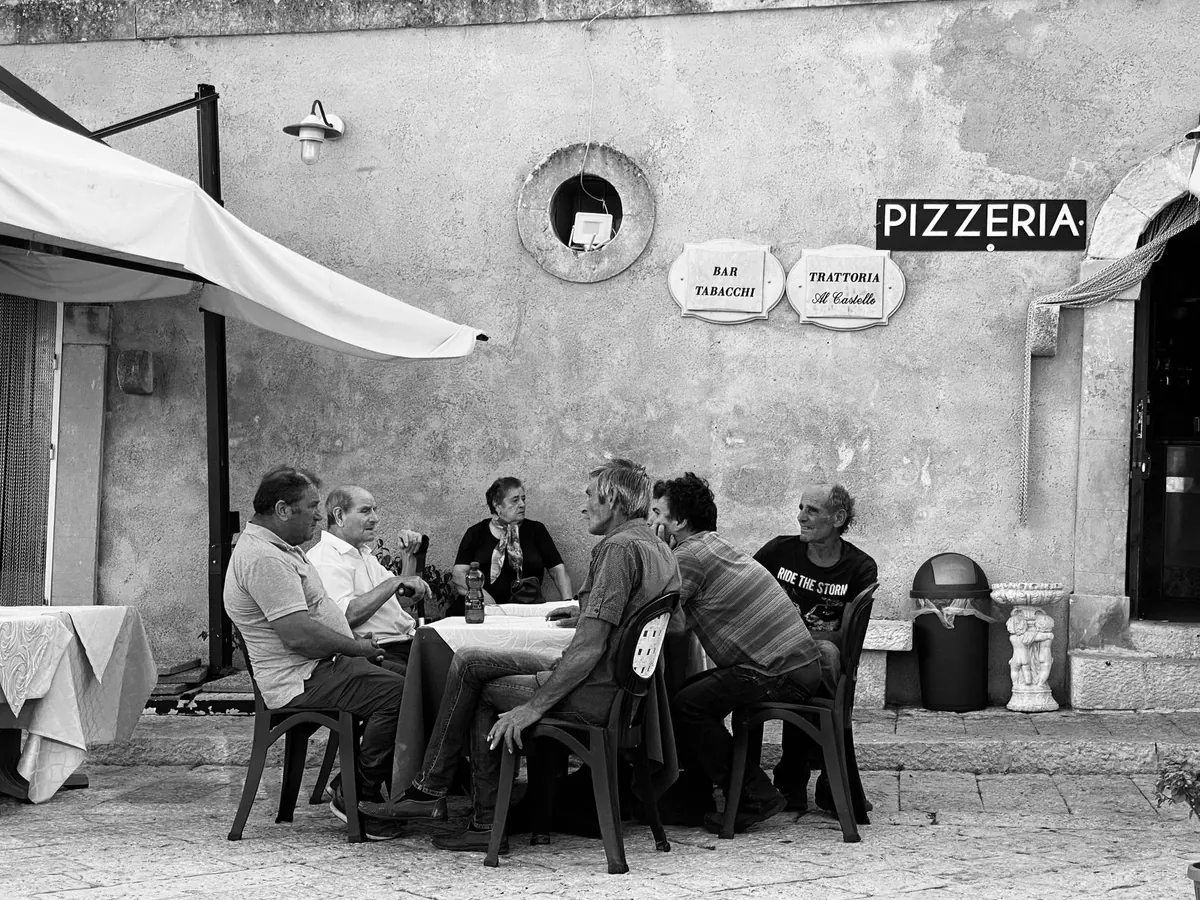

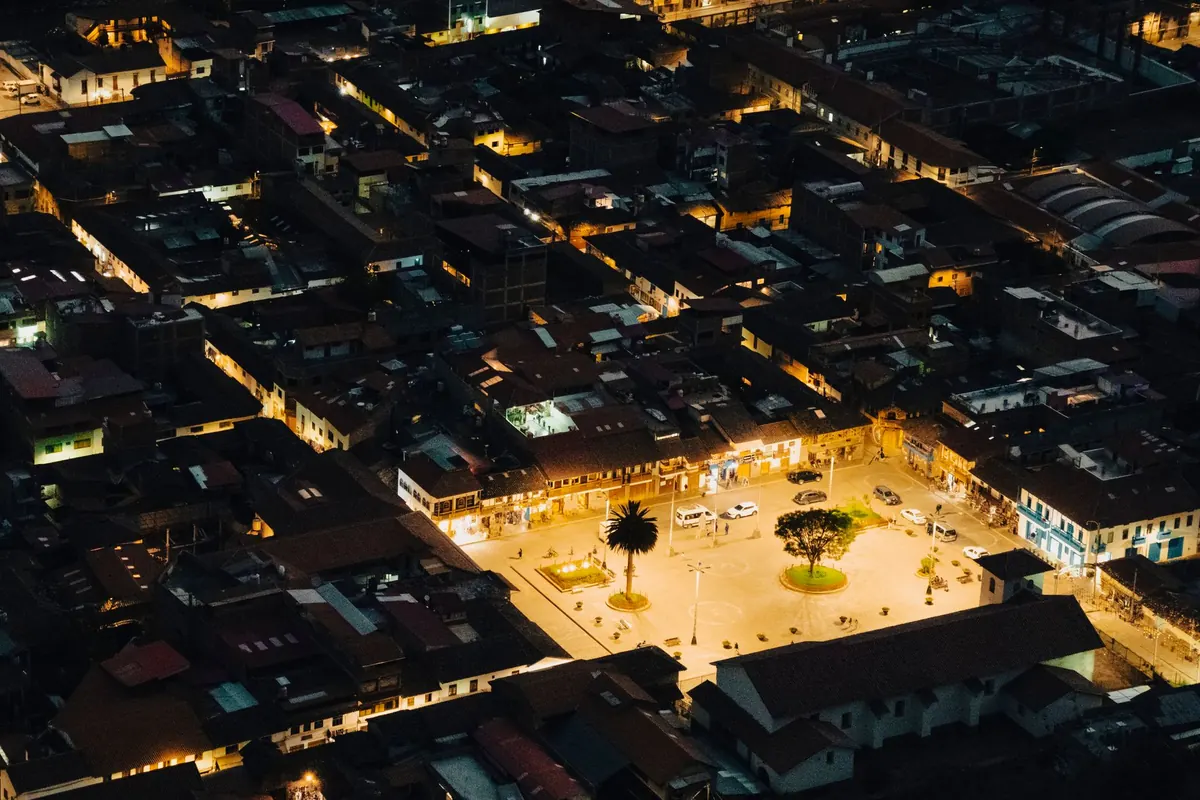
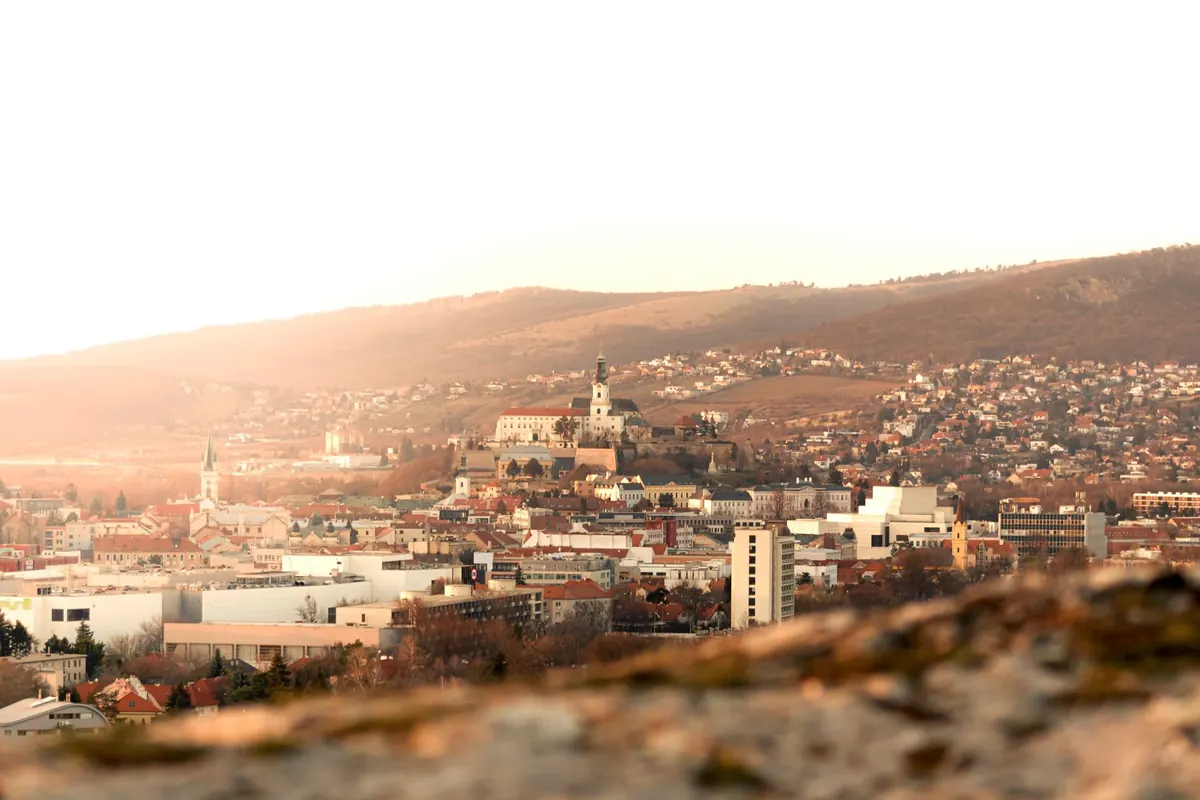
Autumn in the Italian hills starts with fog in the valley and the smell of woodsmoke arriving before dark. By ten the fog lifts, the stone turns warm, and someone is always either pressing grapes or raking olives off a net. Between those two harvests there is a window — roughly late September to early November — when the country's small hill towns are at their most usable. The trade-off is that small means small: one trattoria that closes on Tuesdays, a castle on winter hours, a bus that makes its final run before dinner. A little planning turns a detour into a day worth the drive.
Why the Season Favours the Smaller Towns
Summer in a hill town means heat on the climb and a search for parking that can eat an hour. Autumn removes both. From early October the light comes in lower and stays longer on the facades, and the crowds thin out once Italian families are back at school and work. Weekdays in particular feel like the town has been handed back to the people who live in it.
The food changes too. Porcini and chestnuts appear in the markets, the first new olive oil arrives in the shops, and the wine cellars are busy with the vendemmia. Midday temperatures in central Italy often sit comfortably in the high teens to low twenties in early October, but evenings cool quickly, and towns above 800 metres can feel properly cold after sunset. Rain becomes more frequent, usually in short, sharp bursts that pass and leave the stone slick — which is exactly why your footwear matters more than your camera.
One caveat: many small places wind down after the first week of November, and some family-run restaurants and museums close for a few weeks without much warning online. Always confirm before you build a day around one address.
Six Towns That Reward the Climb
Neive, Piedmont
Above the Tanaro valley, Neive is stone lanes, low arches and cellars that smell of nebbiolo. October is the moment: the Barbaresco harvest is finishing, the hazelnut groves are being combed, and the mornings are famously foggy. The Alba truffle season is in full swing half an hour away, so book dinner rather than improvising. Climb to the top of the village for the view across the vineyards before the light goes.
Apricale, Liguria
A spiral of dark stone lanes climbing a spur above the Merdanzo river, with steps instead of streets. Autumn brings the taggiasca olive harvest, chestnuts and mushrooms, and far fewer visitors than the coast. It is genuinely steep: park below the village and walk up. After rain, the polished steps are slippery, and a few lanes are unlit at night — carry a small torch.
Montefalco, Umbria
Sagrantino country. The grapes here are picked later than most, so late September and early October still find the cellars in motion. Walk the ring road along the old walls for the view over the Topino valley, then eat something cured and salty in one of the small norcinerie. Check locally whether a harvest event is on: when one is, rooms in town vanish and reservations become essential.
Torre di Palme, Marche
A tight knot of brick and stone on a hill above the Adriatic, near Fermo. On clear autumn days you can see the Sibillini mountains across the water, and the sea light turns a soft pewter by four o'clock. It takes an hour to walk, which is the point — pair it with the Roman cisterns down in Fermo and a long lunch, and the day is full.
Certaldo Alto, Tuscany
Reached by a short funicular from the lower town, Certaldo's upper village is red brick, quiet courtyards and Boccaccio's old house. It gets a fraction of the traffic of San Gimignano an hour away, and in October the Valdelsa vineyards turn. Come late afternoon when the day-trippers have gone and the light is on the brick.
Santo Stefano di Sessanio, Abruzzo
At around 1,250 metres, this stone village inside the Gran Sasso park is a different autumn altogether: cold nights, woodsmoke, lentils and saffron from the Navelli plain below. The first snow can arrive in November. Check road conditions before setting out, and treat the high plateau of Campo Imperatore as a fair-weather excursion.
Timing: A Short Autumn Calendar
- Late September: warm days, cool nights, the grape harvest under way. Popular towns are still busy at weekends.
- Early to mid-October: the sweet spot. Reliable weather, chestnuts and mushrooms in the markets, thin weekday crowds.
- Late October: olive picking begins in the milder zones; truffle season is at its height in Piedmont. Rain more likely.
- Early November: short days and the Ognissanti holiday, when Italians travel. Many small businesses then close for a break — verify before booking.
Two practical rules. First, prefer Tuesday to Thursday if you can: weekend sagre can fill a village of 400 people with 4,000 visitors and no beds. Second, remember Italy's sunset moves fast in autumn; by late October it is dark before six, so plan the winding drive up before then.
What to Pack for Hill Towns in Autumn
- Layers, not a heavy coat: a base layer, a warm mid-layer and a packable rain shell cover a 12-degree swing between morning and evening.
- Shoes with real tread: wet cobbles, polished stone steps and steep alleys punish smooth soles. Bring a second, lighter pair for evenings.
- A scarf and a warm hat: stone churches and unheated dining rooms stay cold well into October.
- A small torch or a charged phone light: many lanes have no street lighting.
- Cash: small shops, car parks and the bar that opens at six may not take cards.
- A tote for purchases: olive oil, chestnuts, wine and cured meat accumulate faster than you expect. Oil belongs in checked luggage, not a cabin bag.
- Offline maps: hill-town signal is patchy, and one-way systems are inventive.
On the Ground: Parking, Lunch and Closing Days
Park outside the walls and walk in. Historic centres are usually closed to non-resident traffic, and cameras enforce it; fines arrive months later by post. Look for the blue-lined spaces below the village rather than circling the top. If a town sits on a hill, the walk up is part of the visit — allow fifteen minutes more than the map suggests.
Restaurant hours are the other thing that catches visitors out. Lunch runs roughly from 12:30 to 14:30, after which kitchens close until evening. Monday is a common closing day, and in very small towns Tuesday as well. Book dinner in the morning by phone; a village with two good tables will fill with the people who did. And keep the itinerary to one hill town per morning plus one nearby for the afternoon — climbing, eating and driving are each tiring in their own way.
Build the Day Around the Light
Start early enough to see the fog lift, do your walking before lunch, and leave the afternoon for a second village or a long drive through the vineyards. Always have a wet-weather alternative: a cellar tour, a small museum, a church with a good fresco cycle. Confirm the one restaurant you care about, check the road for high-altitude towns, and be off the hill before dark. Do that, and autumn becomes the season these small places were made for.
Photo: Adrian Regeci / Pexels
Related posts
More stories you’ll love reading