
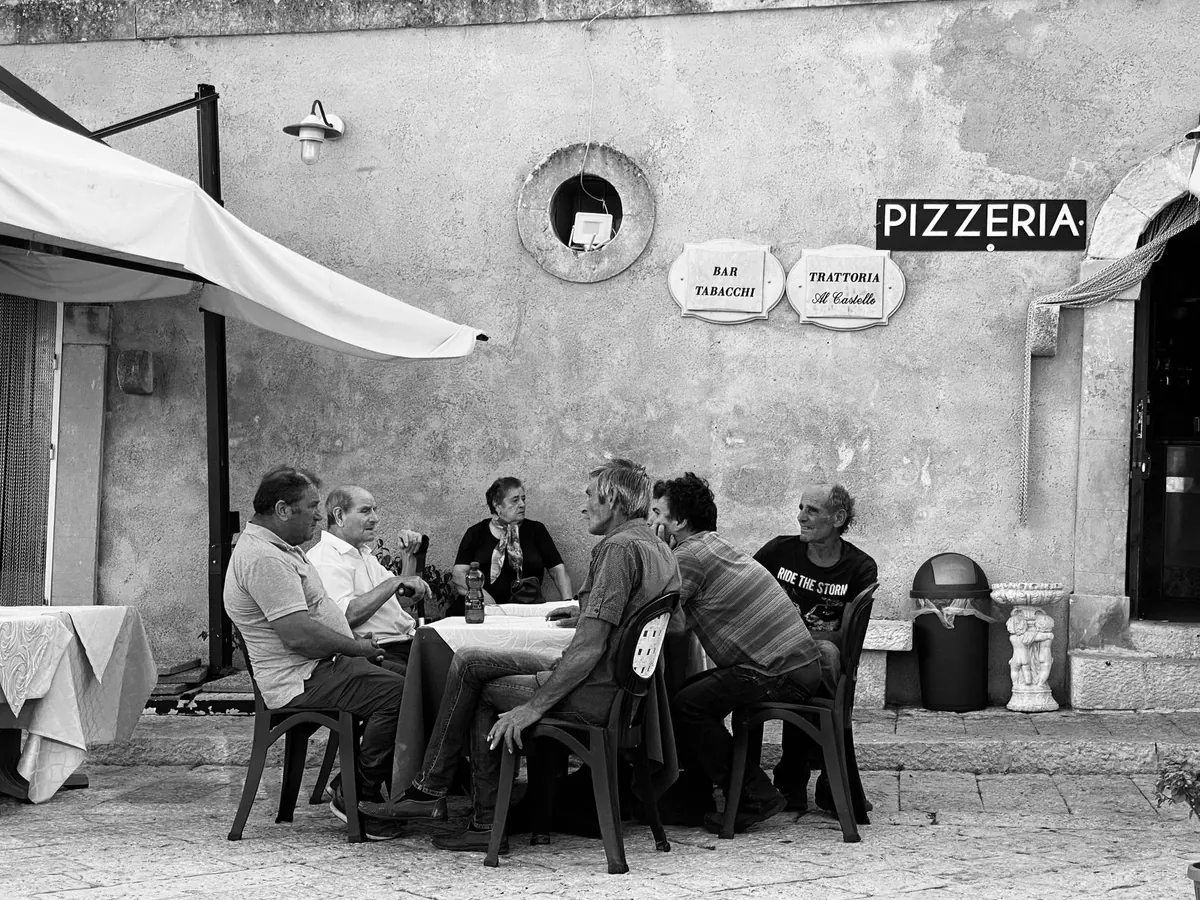
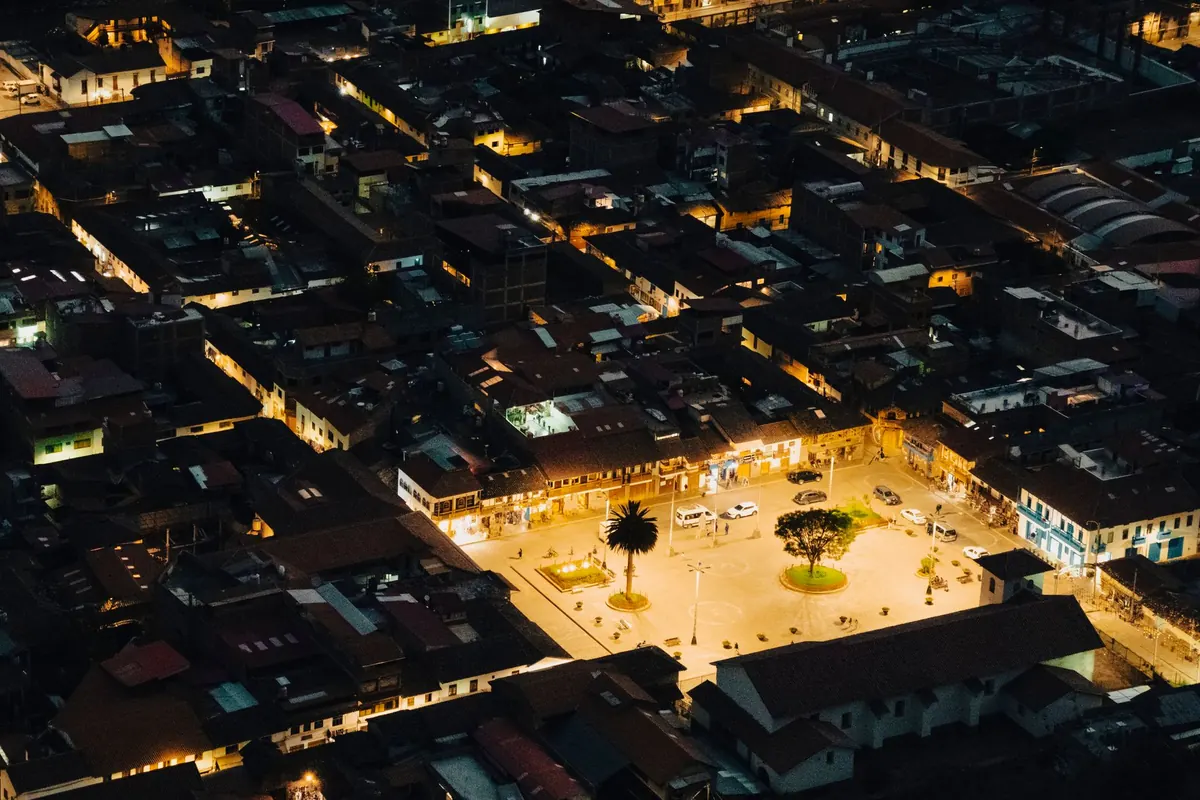
In films, the Italian morning is a sunlit terrace and a linen shirt with the top button undone. In reality it is a man in a vest drinking coffee at the bar in ninety seconds, a moka sputtering on a gas ring, shutters banging open onto a street that smells of bread. What makes it appealing isn't beauty. It's rhythm. The day starts with a few small, repeated gestures that belong to nobody else, and that is a thing you can borrow wherever you live.
The Rhythm, Not the Props
The easiest way to get this wrong is to shop for it. A copper moka you never use, a bag of expensive beans ground three months ago, a marble tray for a breakfast you don't have time to eat. None of that creates a habit. What creates a habit is doing two or three ordinary things the same way, at the same time, with a bit of care.
Look at what the morning actually consists of in most Italian homes: coffee, something small and sweet, windows opened, clothes that make you look like a person who is going somewhere. It takes less than an hour and it is almost entirely without ceremony. The ceremony is in the attention, not the equipment.
Coffee First, and Standing Up
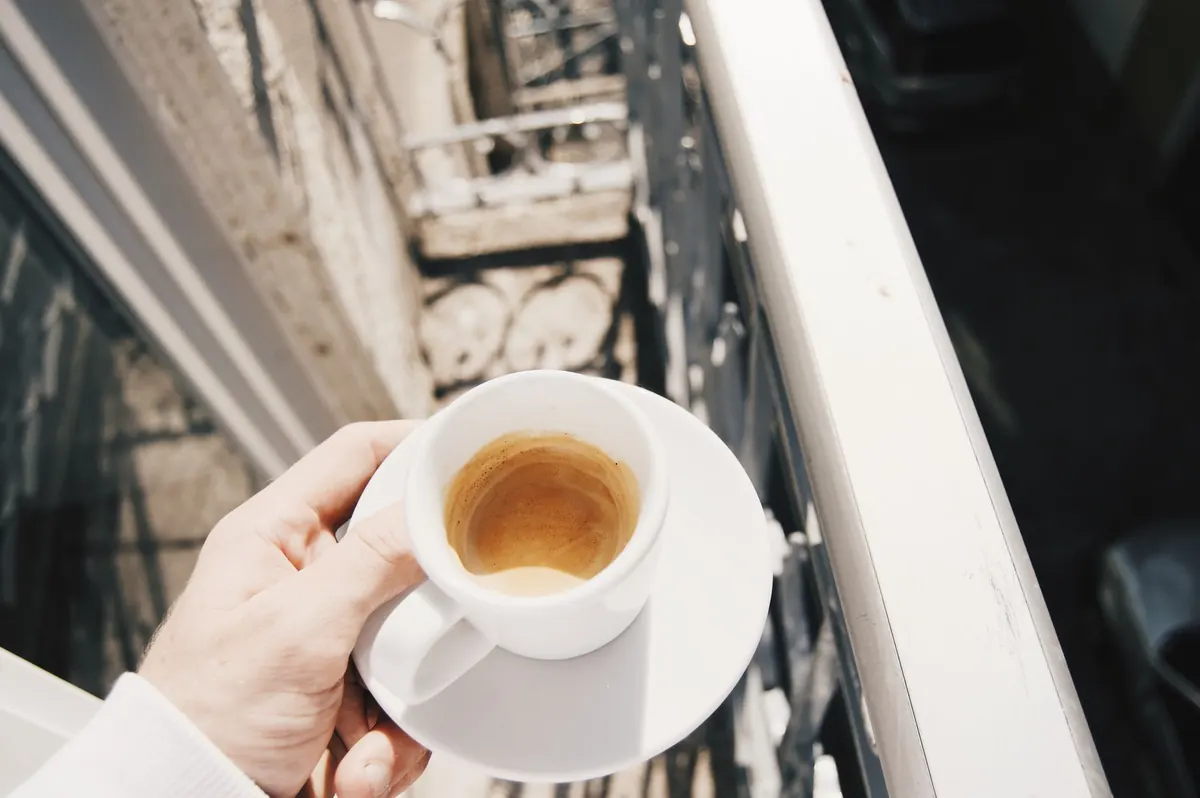
Coffee comes before almost everything else, and it is treated as a short, deliberate act rather than a background activity. That is the part worth copying. Whether you drink espresso, moka coffee, or a long filter coffee is a detail of taste and geography.
The moka, done properly
Fill the base with cold water up to just below the valve. Add medium-ground coffee to the basket and level it with your finger — don't press it down. Screw the top on firmly, set it over a low-to-medium flame, and leave the lid open if you want to watch. When the coffee starts to rush out and hiss, take it off the heat. That hiss is steam pushing through the grounds, and it's what turns a good cup bitter. Rinse the pot by hand, never in the dishwasher, and dry it.
If you use a machine
Warm the cup with hot water first. A small cup, filled two-thirds of the way, is the aim. Drink it within a minute or two of making it, because a shot left sitting turns harsh. And if you like milk in your coffee, have it in the morning and skip the guilt — the famous rule about cappuccino after eleven is really about not weighing down your stomach after a large meal, not a law.
Three minutes without a screen
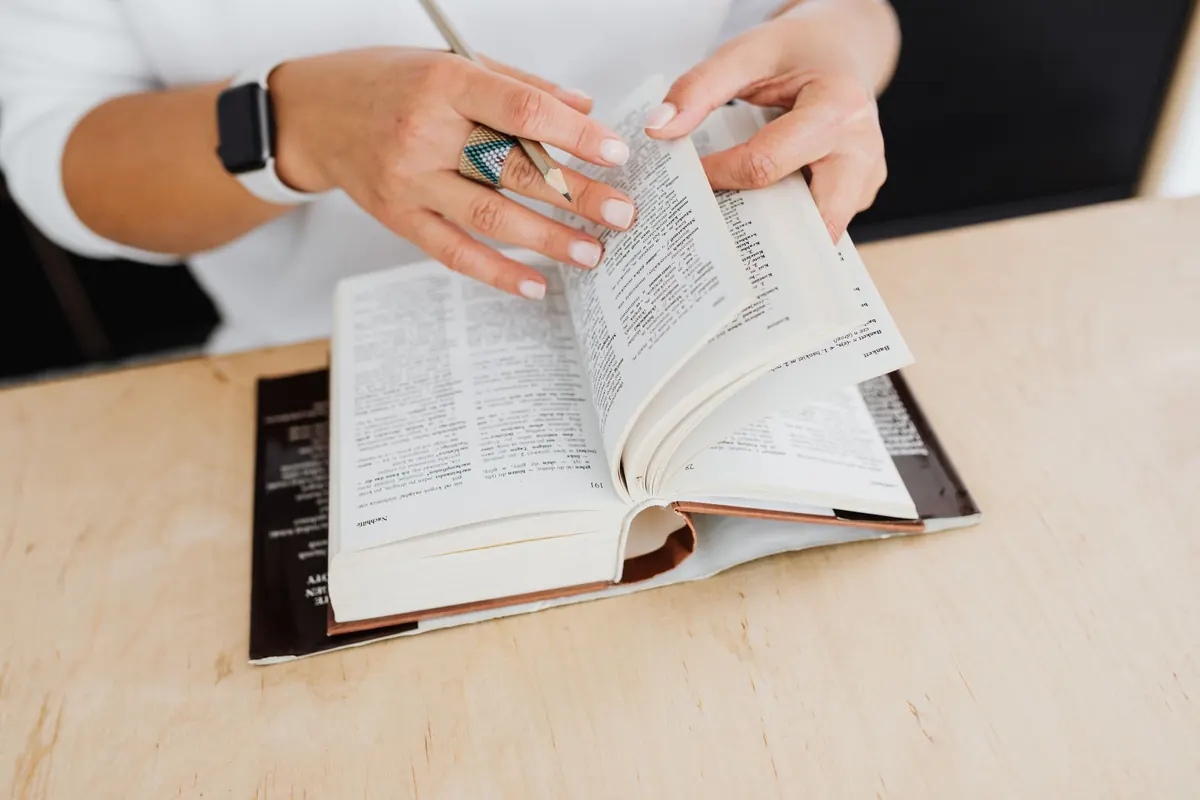
This is the habit that carries the most weight. Drink standing at the counter, or at the window. Look outside. If you read something, read something on paper — a few pages of a book, the news, a recipe. The Italian bar works because people stand, exchange two sentences with the barista, and leave. The coffee is punctuation, not a task to be multitasked through.
A Small, Sweet Breakfast
The common pattern in Italy is a light, sweet breakfast — much lighter than a British or American one, and eaten quickly. You are not looking for a spread. You are looking for something that takes eight minutes and doesn't leave you heavy. Pick one:
- A cornetto or brioche, plain or with apricot jam
- Fette biscottate with butter and jam, or honey
- Plain yogurt with fruit and a spoon of jam
- Bread with a little ricotta and honey
- A slice of pound cake or a biscuit with the last of the coffee
Regional versions are worth knowing. In Sicily, summer mornings often mean granita — almond, coffee, lemon — with a brioche to dip into it. In Rome, the maritozzo, a sweet bun split and filled with whipped cream, is a legitimate breakfast. In Naples, a sfogliatella. None of these are health food and none of them are meant to be eaten every single day. Choose one, sit down or stand at the counter, and don't eat it over the sink while answering messages.
Open the House, Then Step Outside
Before anything else in the day, the windows and shutters go open. Air moves through. The bed gets pulled back and left to breathe for a while rather than being made immediately. Five minutes of straightening — cups to the kitchen, cushions back, yesterday's post in the bin — and the room is done. It's a small thing that changes how the rest of the morning feels.
Dress like you mean it
There's a practical Italian habit underneath the phrase fare una bella figura: you get dressed properly even when nobody important will see you. Not formally. Just deliberately — a pressed shirt, clean shoes, hair dealt with. It takes four minutes and it changes your posture. Lay the clothes out the night before and the decision disappears.
The ten-minute errand walk
If there's a bakery, greengrocer, or café within walking distance, go. Buy bread for lunch or fruit for the day, say good morning, come back. This is the closest thing to the neighbourhood morning that Italians get without thinking about it, and it's the reason so many of them clear a thousand small steps before nine. If nothing is within walking distance, do a loop around the block with one errand attached. The errand matters, because it gives the walk a purpose beyond exercise.
A Workable 45-Minute Template
You don't need forty-five minutes of empty diary. You need forty-five minutes that aren't spent scrolling. A shape to try:
- 0–5 min: Wake, open windows, open the shutters, leave the bed to air.
- 5–10 min: Water on, moka assembled, or the machine warming.
- 10–20 min: Coffee, standing, no phone. Read a page or two if you like.
- 20–30 min: Breakfast, sitting down.
- 30–35 min: Wash up, quick tidy, get dressed.
- 35–45 min: Out for the errand walk, or a few minutes at the window if the weather is against you.
On a rushed day, cut it to coffee, windows, and getting dressed. Three gestures, ten minutes, still the same morning.
What to Leave Out
Skip anything that turns the routine into a performance. A complicated breakfast you'll abandon by Thursday. A second coffee machine. Photographing the moka. The urge to do the whole template perfectly on day one, which is the most reliable way to do none of it by week two.
And leave out your phone for the first half hour if you can manage it. The Italian morning works partly because it is a small, closed world before the day's demands arrive. The moment you open your inbox over the coffee, the coffee stops being a pause and becomes a delay.
Start With Two Habits, Not Seven
Choose the coffee ritual and the open windows. Do those for two weeks, every day, including the days when you're late. Once they're automatic, add breakfast at the table. Then the walk.
Two practical notes. Keep the coffee you actually like in the house, ground fresh enough that it doesn't taste of cardboard — the ritual collapses fast if the cup isn't good. And be honest about your mornings: if you leave at seven, the errand walk belongs in the evening instead, which is where a lot of Italians put it anyway.
The point was never to imitate a postcard. It's to have a short stretch of the day that belongs to you, run on your own habits, before anyone else's requests arrive. That is a very Italian thing to want, and it costs almost nothing.
Photo: Callum Hilton / Pexels
Related posts
More stories you’ll love reading