
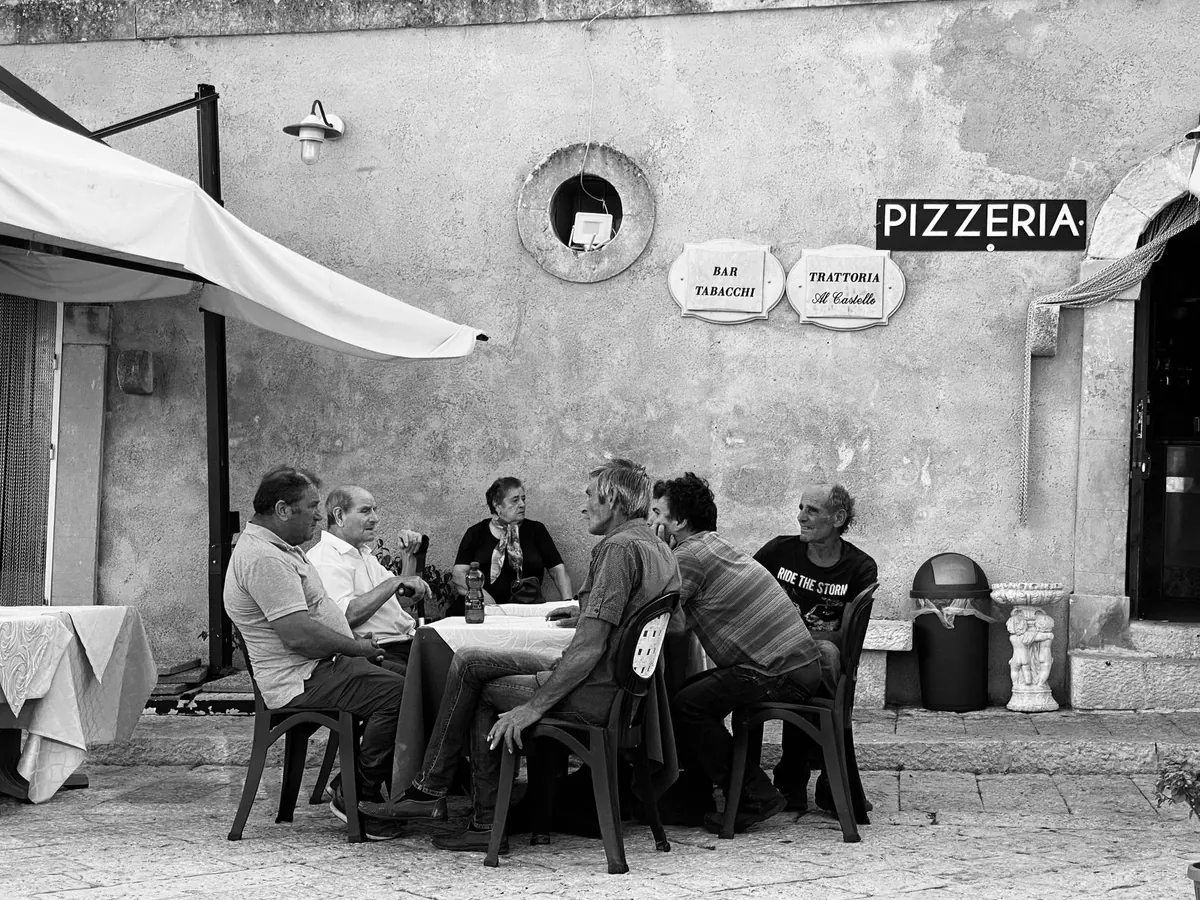
At 7:30 on a Tuesday evening in Trastevere the tables are empty and a waiter is still folding napkins. Two hours later the same room is loud enough that you have to lean across the table to be heard. Visitors often read this as a restaurant keeping its doors shut out of spite, or assume Italians simply don't get hungry until midnight. Neither is quite right. The late dinner follows a logic that becomes obvious once you see how the rest of the Italian day is put together — and once you understand it, you can work with the clock instead of fighting it.
Five eating moments, not three
Most visitors arrive with a three-meal model: breakfast, lunch, dinner, with long empty stretches in between. In Italy the day is stitched together from more like five moments, and dinner is only the last of them.
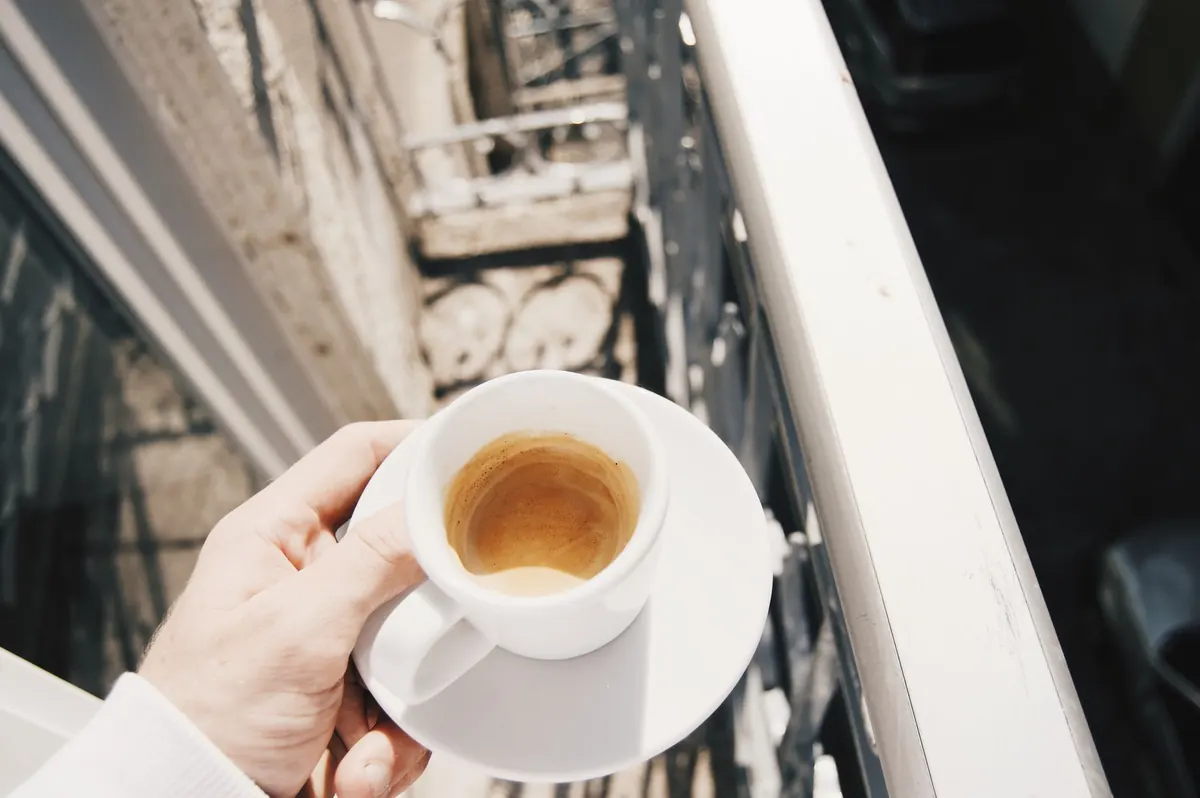
Breakfast is small and fast — a coffee at the bar, maybe a cornetto, taken standing up in four minutes. Lunch is the substantial one: a first course of pasta or soup, something grilled or braised after it, bread, coffee. Around five in the afternoon comes the merenda, a small filler that adults take as a coffee or a slice of focaccia and children take as a snack. Then aperitivo between seven and eight-thirty. Then dinner, generally somewhere between eight and nine-thirty.
Look at that sequence and the late hour stops being strange. If you sat down to a full plate of pasta at half past one, a piece of fish at two, and a coffee afterwards, you would not be ready to eat again at six either.
The aperitivo hour quietly pushes everything back
Aperitivo is the piece visitors underestimate most. The idea is a single drink — a spritz, a glass of prosecco, a bitter orange cocktail — with a few olives, crisps or small bites, taken in a standing crowd outside a bar while the light goes gold. It is not a starter. It is a pause between the working day and the evening.
But it is a pause with consequences. Two drinks, a bowl of taralli and a conversation that runs long, and by the time you look at your watch it is nine o'clock and nobody at the table is hungry yet. Locals know this and treat aperitivo as a short ritual, one round, then home to change or straight to the restaurant. Visitors who treat it as an all-you-can-eat buffet then wonder why the 9:30 dinner feels like a chore.
There is also the passeggiata, the evening walk through the centre, which fills the same slot. Whole families are out on the street at eight in the evening in a way you rarely see in northern Europe. Dinner comes after the walk, not before it.
Heat, light and the long afternoon
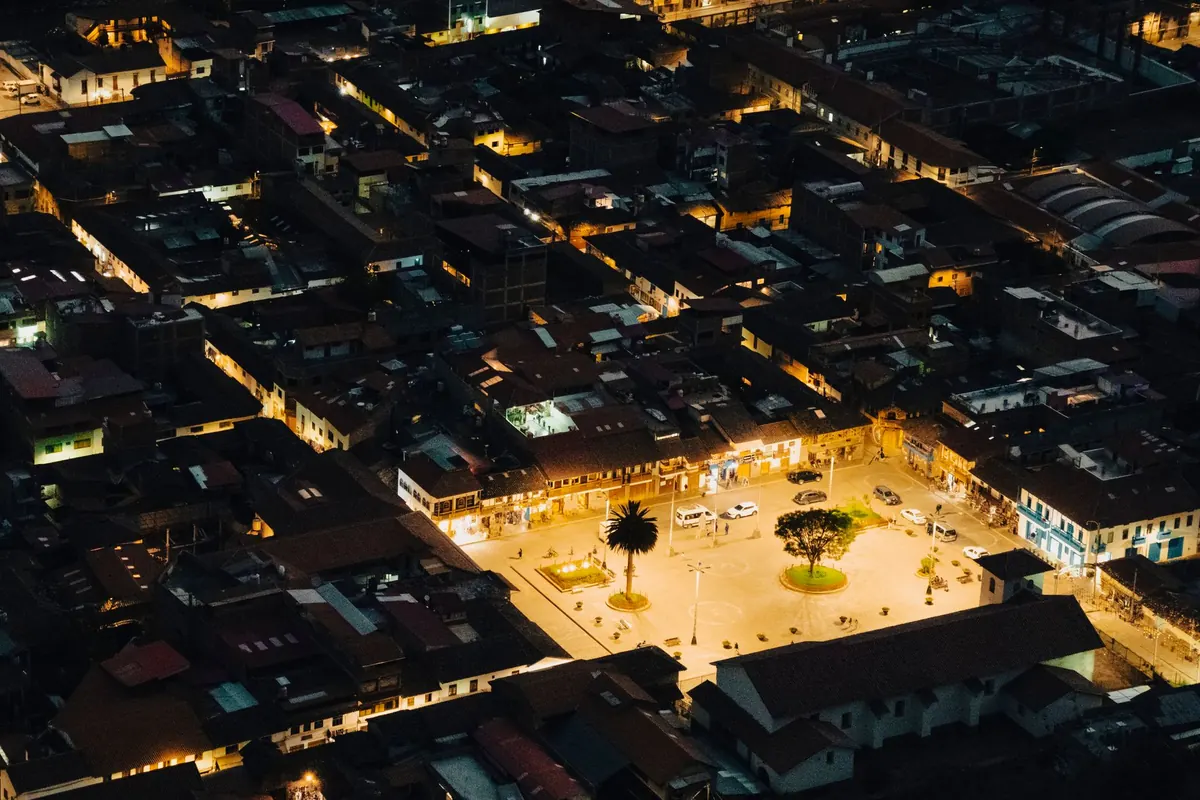
Practical matters matter here. In July and August, sitting down to a heavy meal at seven in the evening in Rome or Palermo means eating in heat that has barely broken. The sun in late June does not set until close to nine, and the stone streets hold the warmth well past that. Eating outdoors at nine or ten is simply more pleasant than eating at six-thirty in a wall of hot air.
The same rhythm explains the afternoon. Many small shops, especially in the south, still close for a couple of hours after lunch, and a good number of restaurants shut their kitchens entirely between lunch and dinner — often by three, reopening around seven-thirty or eight. The quiet hours are real, and they are built around the midday meal rather than the evening one.
Dinner is the social event, not the fuel stop
In a lot of places dinner is what you do between finishing work and going to bed. In Italy it is more often the point of the day. The table is where the family reassembles, where news gets exchanged, where an argument starts and finishes before the fruit arrives. There is a reason the old saying goes a tavola non si invecchia — at the table, nobody grows old.
That changes the pace. Courses arrive separately and unhurried. Nobody hovers to turn the table. The bill will not appear until you ask for it, and asking too early is read as a gentle hint that you want to leave. Two hours is a normal dinner; three is not unusual on a Saturday. When the meal itself is the evening's entertainment, starting it at seven would leave you home by nine with nothing to do.
What time do Italians actually sit down?
There is no single national hour, and any Italian will happily tell you that their neighbours get it wrong.
North and south
Milan, Turin and much of the north run earlier — restaurants start filling around half seven and are busy by eight-thirty. Naples, Palermo and much of the south push later, with nine-thirty or ten far from unusual in summer. Bologna and Rome sit somewhere in the middle, closer to eight or eight-thirty for locals and later in the tourist-heavy centre.
Weekdays, families and the season
Families with young children eat earlier, often seven-thirty or eight, and plenty of restaurants in residential neighbourhoods are built for that. Friday and Saturday run later than Monday. Summer runs later than winter, when darkness comes early and dinner creeps back towards eight.
How to adjust without ruining your evenings
The goal is not to force yourself into an Italian schedule in two days. It is to shift gradually so that a nine o'clock dinner feels like a pleasure rather than a test of endurance.
- Move your lunch later. Push it to one-thirty or two and eat properly. This single change does most of the work.
- Add a small afternoon snack. Around five, have a coffee and something small. It bridges the gap without spoiling dinner.
- Keep aperitivo to one drink. Enjoy the ritual, pick at the olives, then stop. Bread and fried bites at seven will cost you the meal you booked.
- Book early for your first nights. An eight or eight-thirty table is entirely normal in most cities and nobody will look at you strangely.
- Know where to eat early. Pizzerias often open before trattorie, and places near stations and in tourist areas tend to start serving earlier than neighbourhood restaurants.
- Carry something small in your bag. A few crackers or a piece of fruit handle the seven o'clock hunger dip without a full meal.
- Ask for the bill when you want it. It will not come on its own. A simple "il conto, per favore" is not rude — it is expected.
A simple three-night plan
On your first evening, eat at seven-thirty or eight and skip the long aperitivo. You will be tired from travelling anyway, and an early, uncomplicated pizza is the least stressful introduction.
On the second night, take aperitivo at seven with one drink, walk for an hour, then eat at nine. Order two courses rather than four. This is the evening where the Italian rhythm starts to make sense.
By the third night, book a table for nine and let it run. Order the pasta, then the second course, then coffee, and stay until the room thins out. If you have small children, ignore all of this and eat at seven-thirty with the local families — nobody will think less of you, and the kitchen will be calmer.
One last piece of housekeeping: keep a few snacks in your room and don't schedule anything ambitious before eleven in the morning. Between the late dinner and the small breakfast, mornings in Italy are gentler than you expect, and that is part of the design.
Photo: Josh Hild / Pexels
Related posts
More stories you’ll love reading